Connecting People to Places That Matter: NatureBridge Alum Jenny Stock’s Path of Discovery

Former NatureBridge educator Jenny Stock has built a career helping people connect to places they might never otherwise experience—from coastal trails to the deep sea. Today, she works in Point Reyes, CA as an Education Specialist for NOAA’s Greater Farallones and Cordell Bank National Marine Sanctuaries, where she develops curriculum, leads communications, and creates interpretive programs and exhibits that highlight why these unique places matter. But her passion for this work began long ago, when she was a field educator at some other special spots along the California coastline.
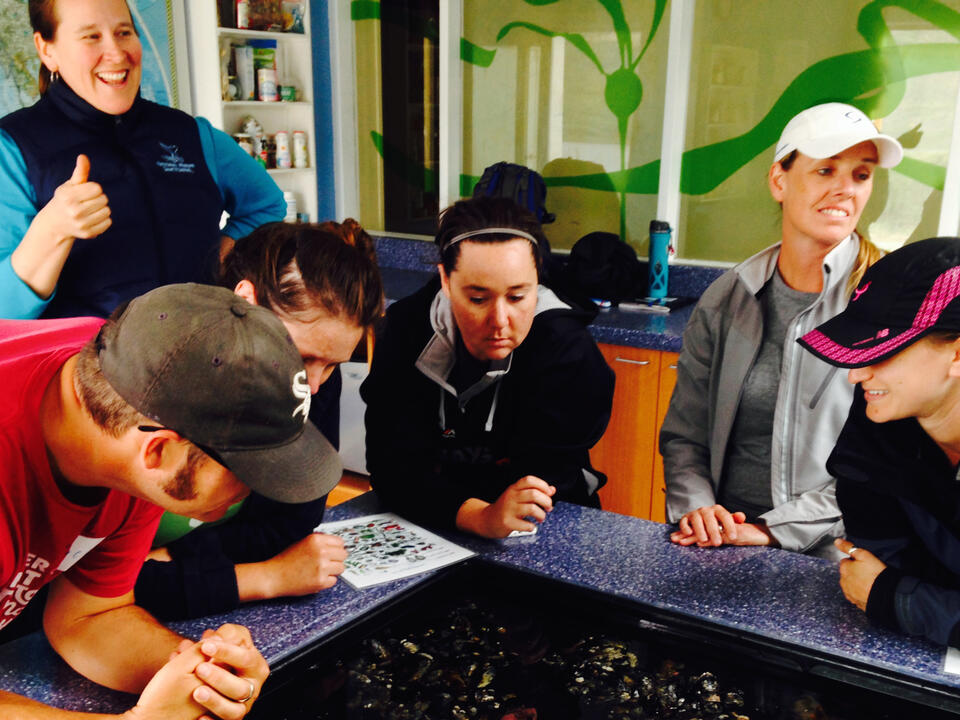
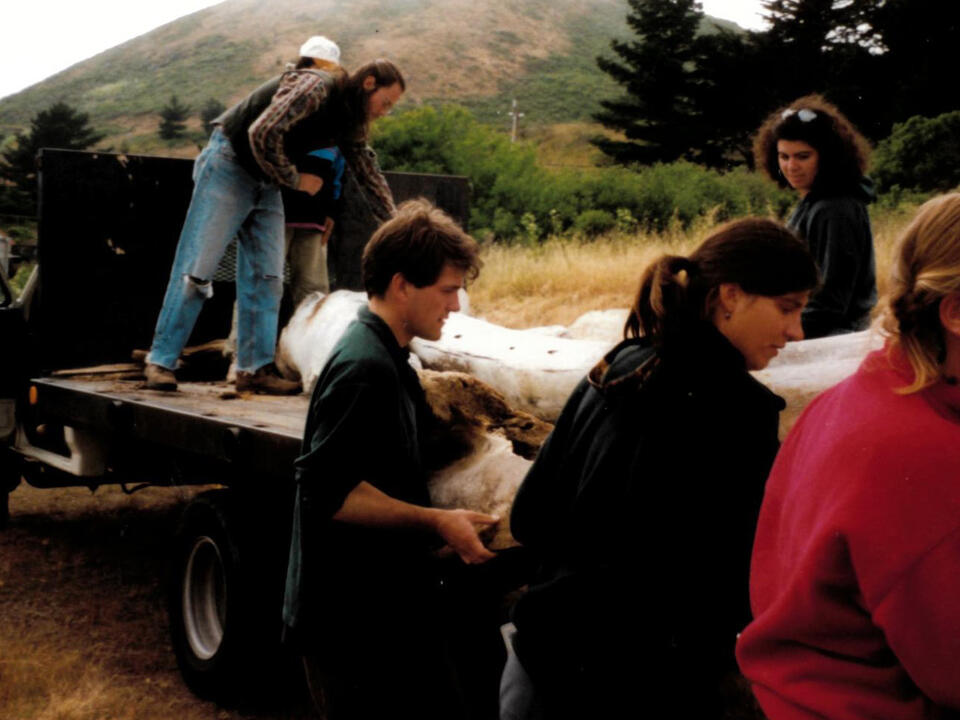
Jenny’s path into environmental education included a formative year at NatureBridge in 1999. She had been teaching at the Catalina Island Marine Institute and heard about NatureBridge’s Golden Gate campus from other outdoor educators. After arriving at NatureBridge, Jenny quickly found a collaborative environment that pushed her to grow. She especially valued the ability to constantly adapt curriculum based on students’ reactions—learning what sparked curiosity and refining programs in real time. (Jenny even initiated the process of moving a blue whale skeleton from storage to display on the NatureBridge campus, where it is now a beloved and well-known educational installation.) At NatureBridge, Jenny led hands-on programs like pond and microscope studies and even created a bioluminescence lesson, always focusing on helping students look more closely at the world around them, ask questions, develop awe, and make connections.
Outdoor education has all the ingredients for happiness… I hope people understand it’s about how we’re all interconnected.Jenny Stock, former NatureBridge educator
One of Jenny’s favorite memories as a NatureBridge educator captures that sense of discovery. She would lead students on a blindfold walk through the dark tunnel at Point Bonita where the ambiant sounds and temperature change, aware that they didn’t know what was waiting for them on the other side. The moment they emerged from the darkness to take in a sweeping coastal view—moving from uncertainty to awe—was a moment Jenny will never forget, even though she witnessed it dozens of times with hundreds of students.
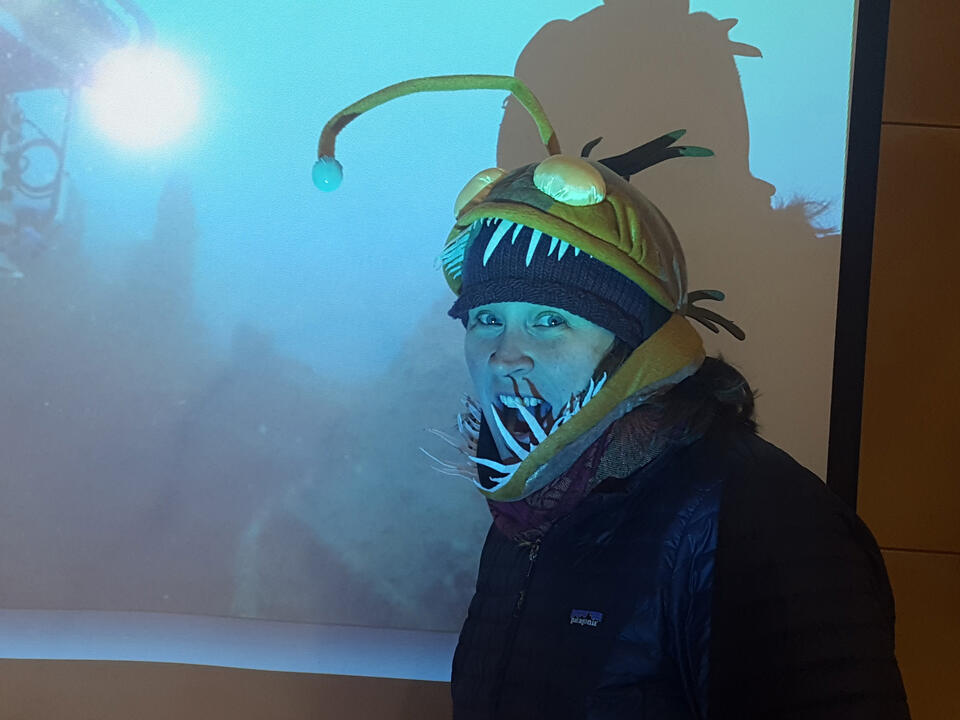
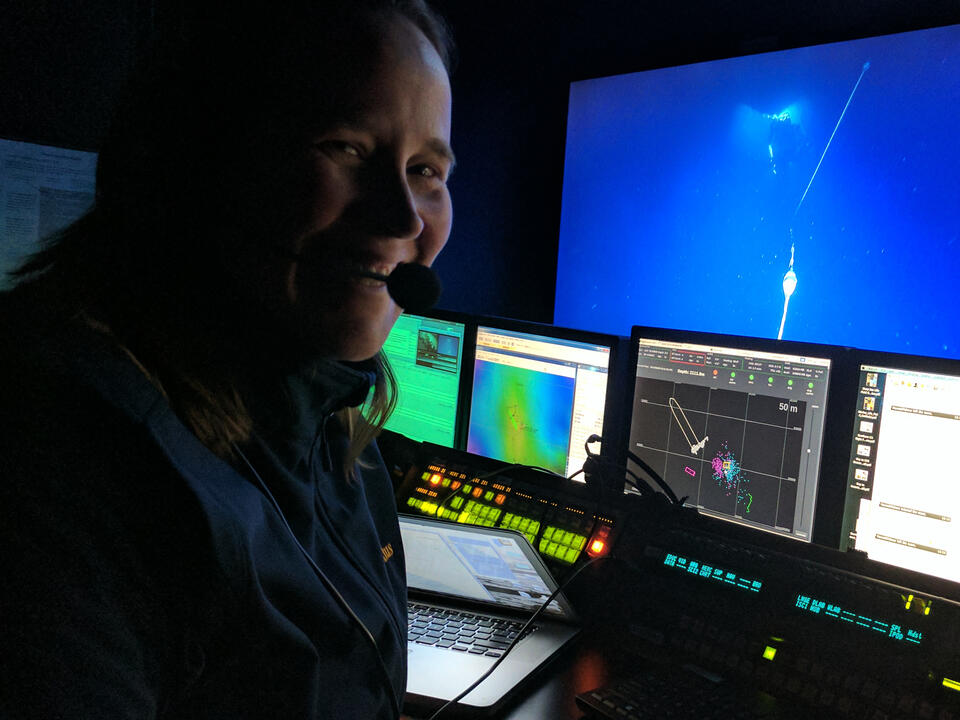
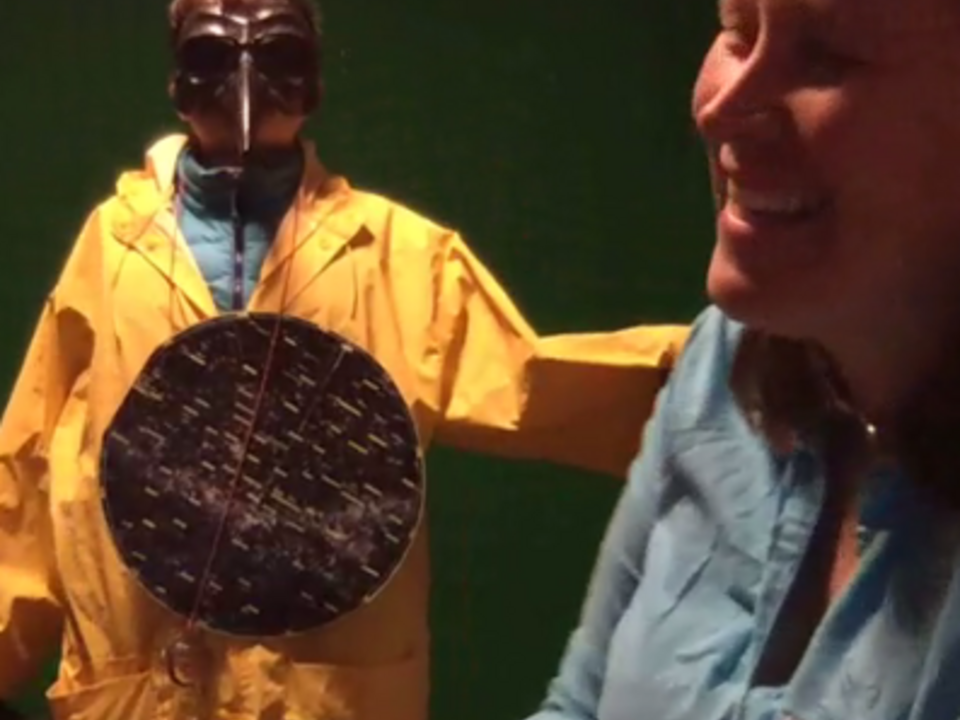
That same goal of discovery continues to guide her work today, even as her approach has changed. “I’ve gone from teaching with snorkels and fins, to a backpack, and now to VR (Virtual Reality) headsets,” she says. Jenny’s virtual reality film and education program showcasing the Cordell Bank’s underwater environment earned her and her colleague Justin Holl the Sea to Shining Sea Award. Jenny has also participated in NOAA deep-sea explorations aboard the Nautilus vessel, communicating with audiences timezones away through “Ship to Shore” distance learning sessions.
For Jenny, the impact of NatureBridge and other outdoor education programs is centered around expanding access and sparking connection. They give students a chance to feel comfortable outdoors and discover how much life and diversity exists in their own region. “Students get to discover how amazing the Bay Area is [with NatureBridge],” Jenny exclaims. “Land and ocean—there’s so much life here. [Students discover] how special these places are.”
Jenny emphasizes that environmental education isn’t necessarily about being a “nature person,” but rather about understanding how everything is connected in the natural world and finding your own place within that system. “You don’t have to love the environment to get something out of it,” she notes. “It’s less about being outdoorsy and more about how we’re all interconnected.”
Today, Jenny still carries with her what she learned from the NatureBridge community over two decades ago. “I learned so much being part of that community,” she says. “I hope that the concept of NatureBridge will continue for decades to come.” These are the opportunities that matter: giving young people the chance to explore, discover, and build lasting connections to the natural world.
Stories

San Jose Teacher Nights Recap: Inspiring Bay Area Educators to Bring Learning Outdoors
Our recent Teacher Night events in San Jose, CA were a wonderful opportunity to connect with passionate Bay Area educators and share the transformative power of outdoor education.

Armstrong Scholars 2026 Trip Report
For the 2026 Armstrong Scholars, each day started with a song. Maybe it was "Unwritten" by Natasha Beddingfield, or "Believe" by Cher, or "Eye of the Tiger" by Survivor. Music and laughter carried us through our first waking moments—whether it was at 3 a.m. in wet sleeping bags preparing to hike up a pass, or at 8 a.m. next to a lake and ready for a rest day. We celebrated hard things the way we knew best—by dancing—at the end of a long day to warm up before slipping into our sleeping bags, or on top of a mountain pass, or at the trailhead at the end of a beautiful 65.7 mile-long journey.

Everything You Need to Know About NatureBridge Outdoor Education Programs
What is outdoor education and why is it important? These questions may arise when you’re planning your first multi-day program for your school. Here is everything you need to know about NatureBridge programs, how they benefit students and teachers while enforcing classroom learning, and how to plan a program.