NatureBridge Yosemite: “Doing Big Things in the Presence of Big Things”

NatureBridge Yosemite is known as the “adventure campus.” We have the iconic Half Dome, and infamous El Capitan, and the tallest waterfall in North America. Granite walls rise above the valley floor, and ancient sequoia groves hold centuries of history within their trunks. It is easy to feel small in Yosemite, surrounded by a landscape that existed long before us and will continue long after we leave.
But being surrounded by these monumental places does not mean students’ actions are insignificant. Throughout their week here, students learn that they can contribute to something much bigger than themselves, whether by restoring habitat, conducting scientific investigations, or building connections with the people and places around them.
As Mentor Educator Larissa Biette puts it, “We want to be known for doing big things in the presence of big things.”
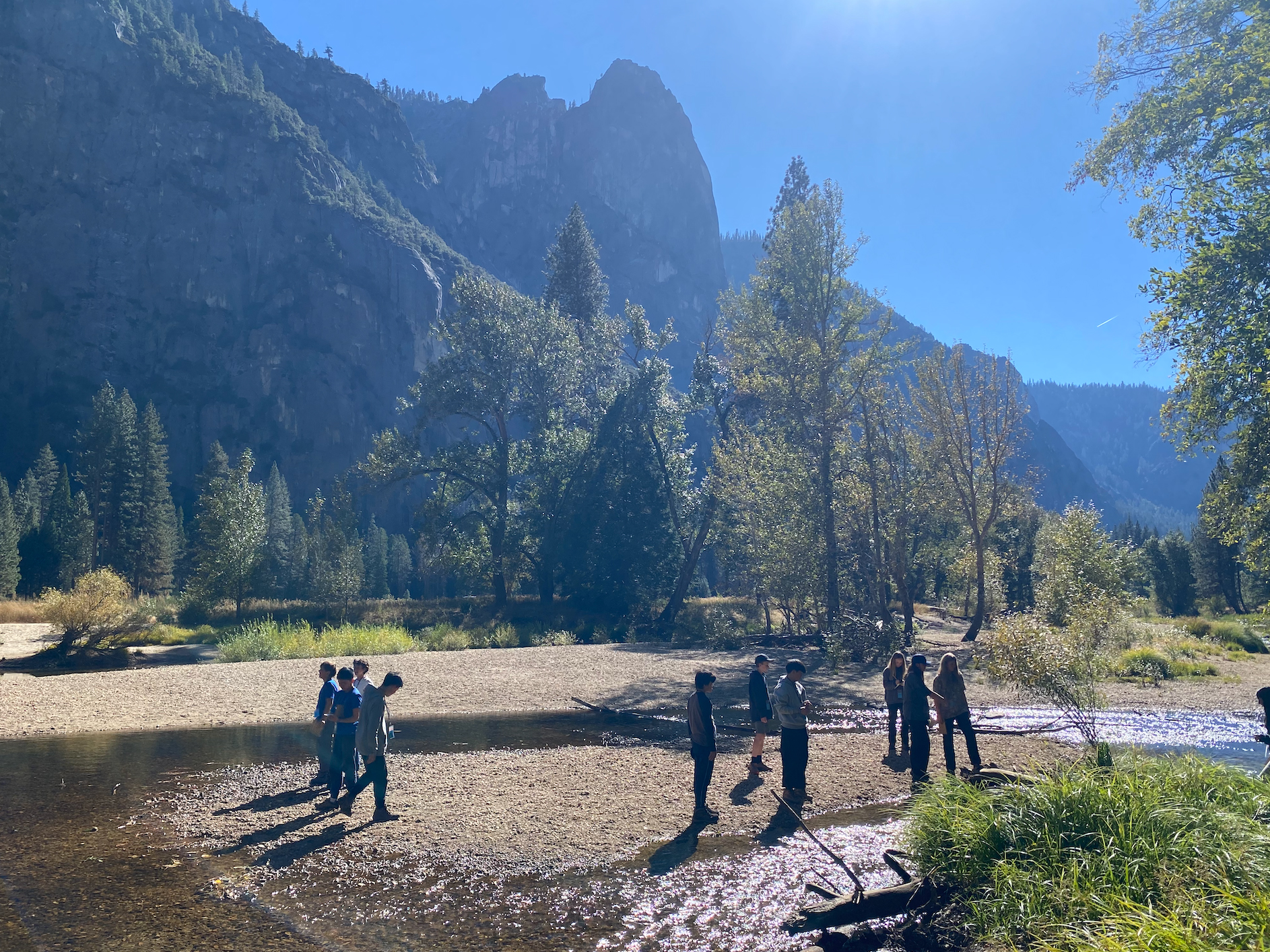
Photo by Larissa Biette
Planting Seeds for the Future #
Students learn about the monarch butterfly’s remarkable migration and the challenges these butterflies face as milkweed, an essential host plant for monarch caterpillars, becomes increasingly difficult to find along their migratory routes. They then collect milkweed seeds to be planted throughout Yosemite Valley, helping provide habitat for future generations of monarchs.
Under the shadow of Half Dome, these students participate in something that extends far beyond their week in Yosemite. The seeds they collect may grow long after they have returned home, supporting butterflies they may never see. It is a tangible reminder that conservation does not always mean witnessing an immediate result. Sometimes, making a difference means planting something whose impact will unfold over time.
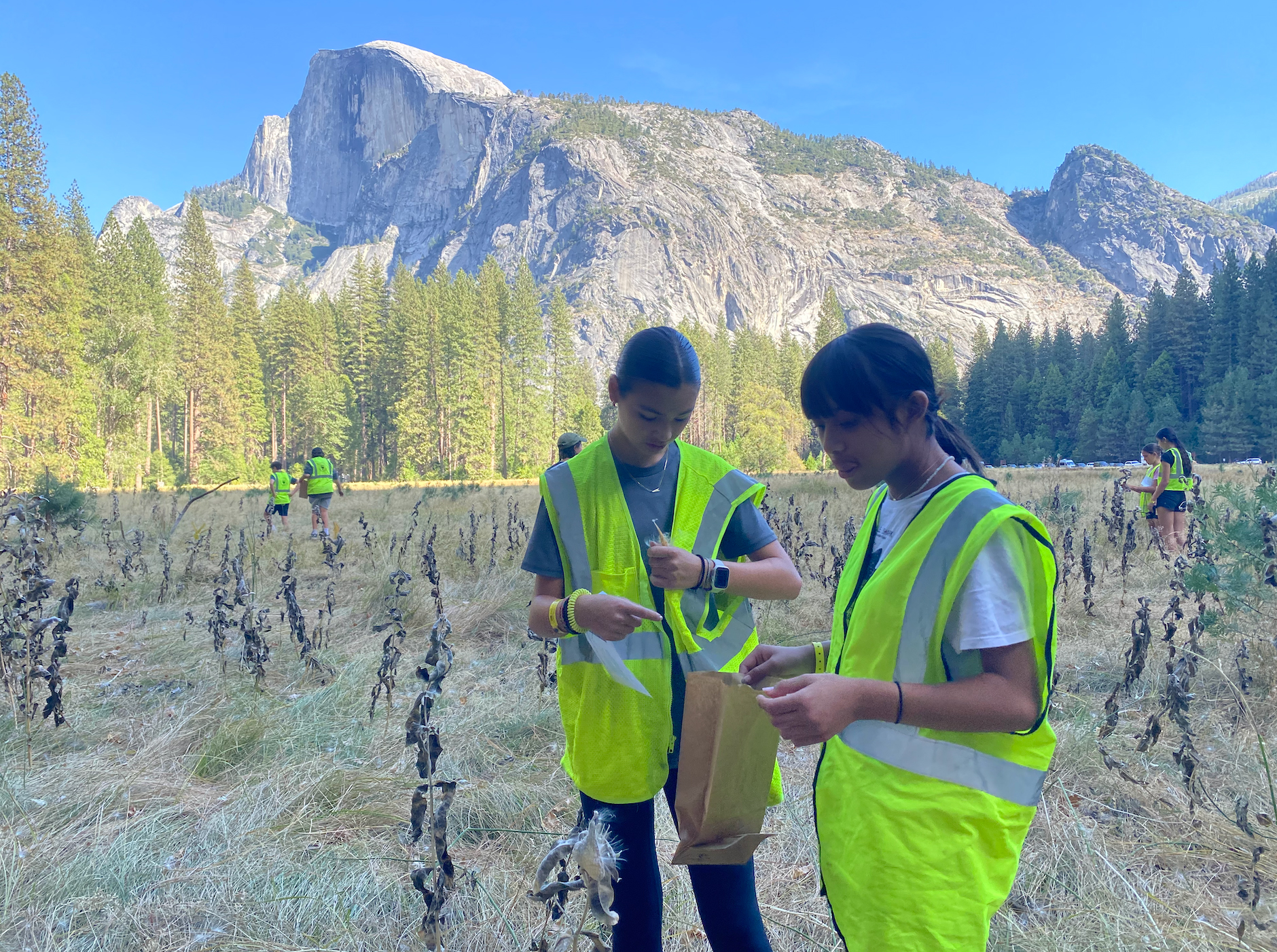
Photo by Larissa Biette
Asking Questions and Following the Evidence #
Along the banks of the Merced River, with the South Valley Wall rising above them, students become scientists. Leading their own investigations, they develop testable questions, collect data, and use evidence and reasoning to support their claims. They practice using scientific tools while learning how to investigate the world around them.
Rather than simply being told how an ecosystem works, students experience the process of discovering answers for themselves. They learn to observe closely, question their assumptions, and build an understanding of the natural world grounded in evidence. In a place as extraordinary as Yosemite, the landscape becomes more than a backdrop. It becomes a living classroom full of questions waiting to be explored.
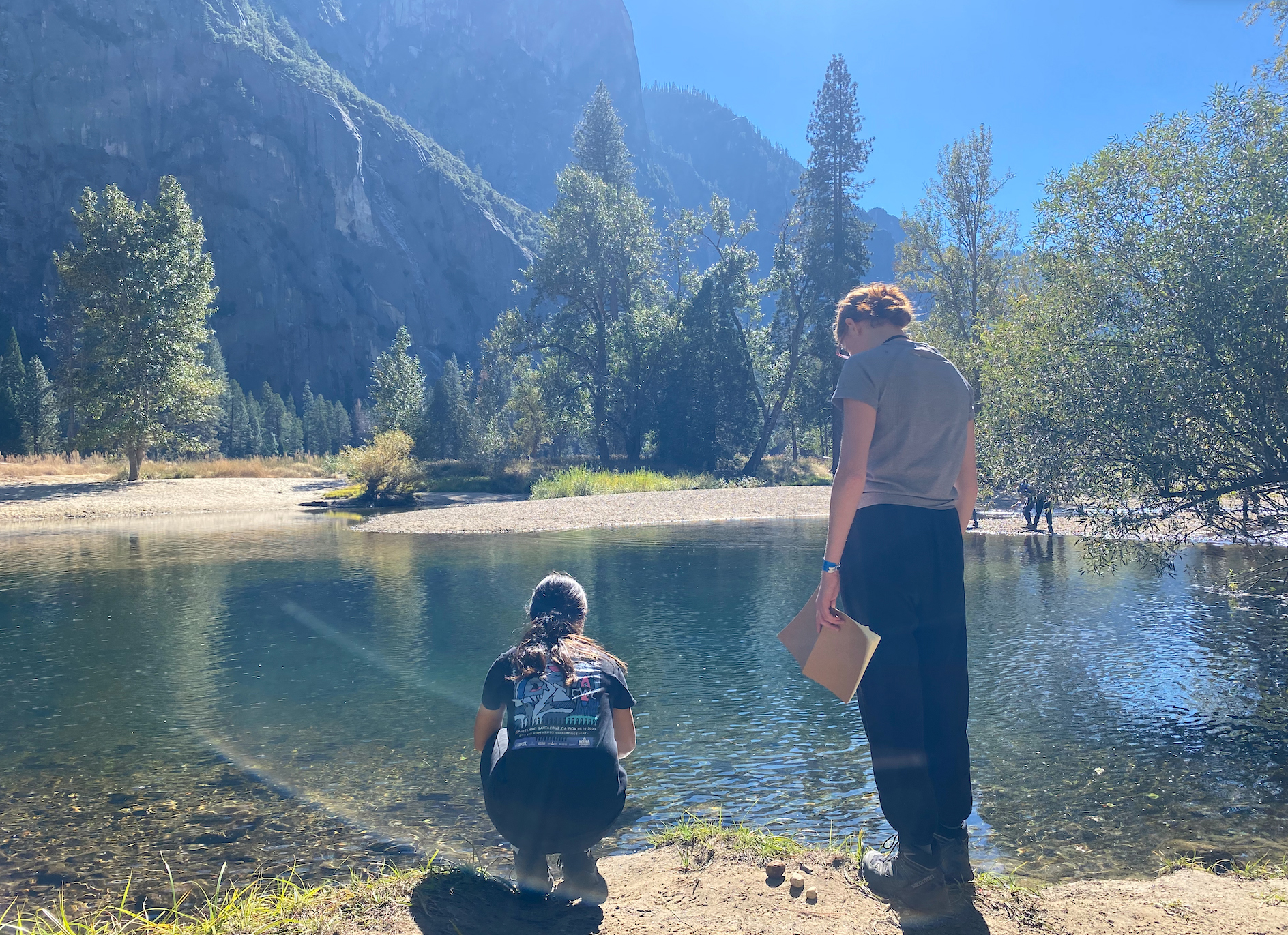
Photo by Larissa Biette
Connection Leads to Protection #
Some of the most meaningful learning happens between activities, as students get to know one another and build deeper bonds within their group. Through shared challenges, conversations, and time spent together outdoors, students begin to understand one another in new ways.
They also explore a simple but powerful idea: the more time we spend with someone or something, the more we come to appreciate it. As familiarity grows, so can our sense of connection and responsibility. This idea extends beyond friendships to the natural world itself. When students take the time to understand a place, they begin to care more deeply about protecting it.
By fostering relationships with one another and with Yosemite, students begin to see conservation not as an abstract concept, but as something rooted in the places and communities they care about.
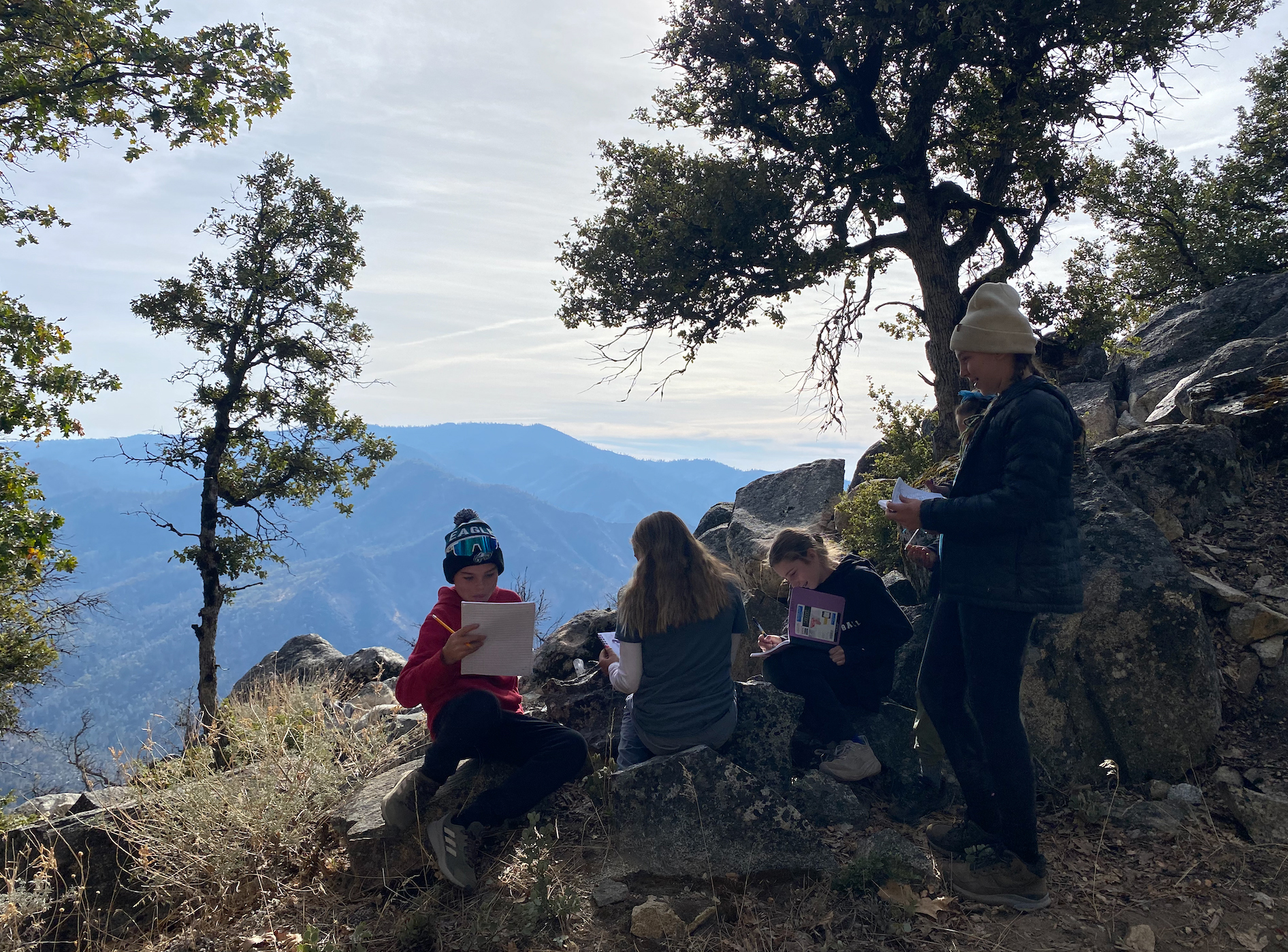
Photo by Larissa Biette
Finding Perspective in the Presence of Something Bigger #
In Yosemite Valley, students take time to slow down and reflect on a journaling prompt. Away from the constant distractions of everyday life, they have an opportunity to sit with their thoughts, process their emotions, and consider the world around them.
Sometimes it is good to feel small. Standing beneath towering granite walls can offer us a different perspective on the things that occupy our minds. Students have space to think through complicated environmental issues, group dynamics, human history, and challenges in their own lives. They are not expected to have all the answers. Instead, they are encouraged to make room for questions, uncertainty, and reflection.
The landscape does not make these challenges disappear, but it can offer the space in which to consider them differently. In the presence of something so much bigger than themselves, students can begin to understand their own experiences as part of a wider story.
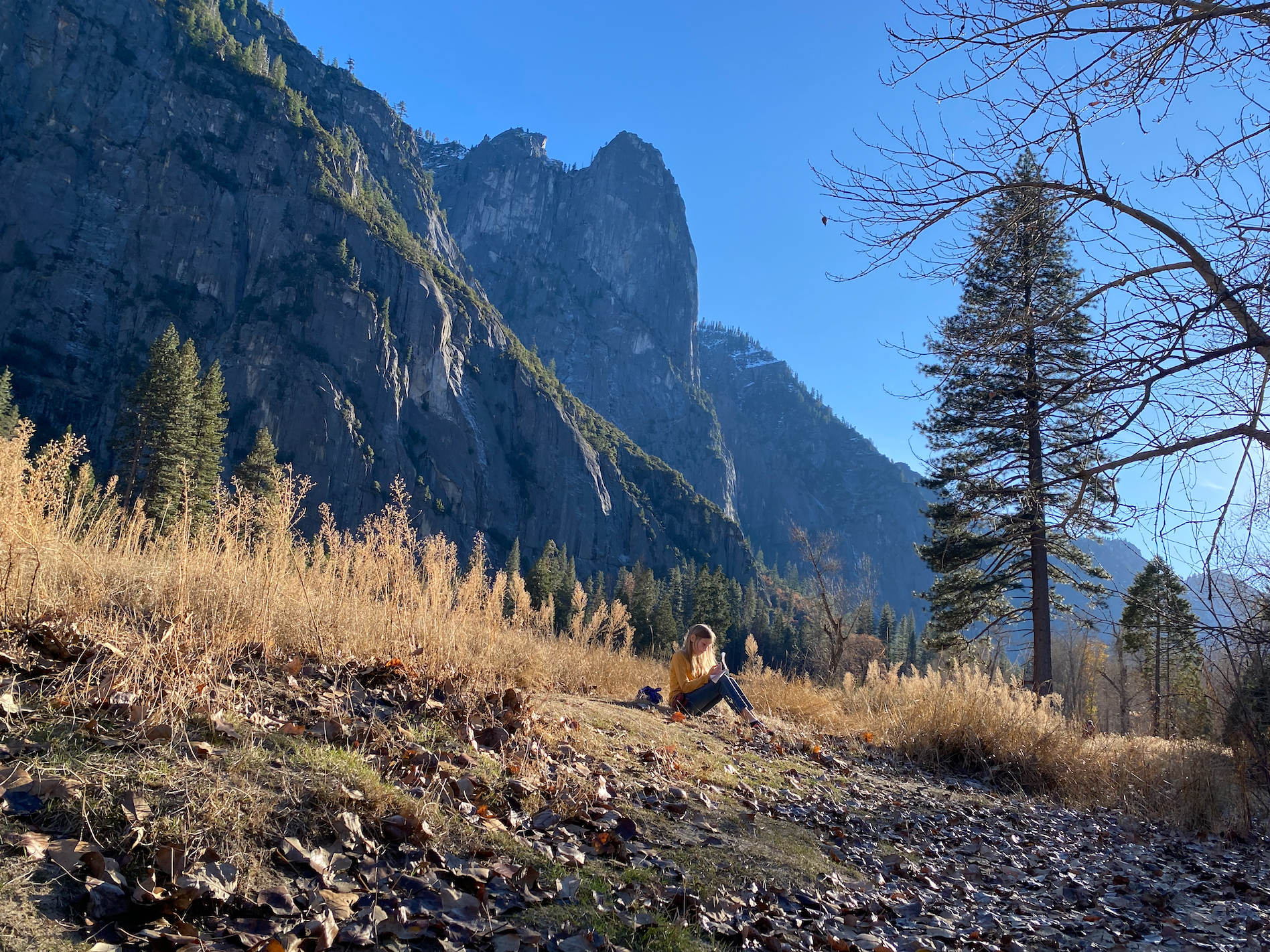
Photo by Larissa Biette
Learning to Share a Landscape #
Students also take an active role in caring for Yosemite National Park by removing invasive raspberry bushes from campgrounds. This habitat management work supports the park’s broader effort to reduce bear-human conflicts and protect the health of the ecosystem.
Through this work, students begin to understand the complicated relationship between humans and wildlife in a place visited by millions of people. Bears are an essential part of Yosemite's ecosystem, but when they become accustomed to human food and other attractants, encounters can become dangerous for both bears and people. Keeping bears wild means making thoughtful decisions about how humans use and care for the landscape they share.
By getting their hands dirty and learning about the complexities of sharing a landscape, students discover that the work of protecting Yosemite is not only about preserving its iconic views. It also means taking responsibility for the less visible work that allows wildlife and people to coexist. Even removing a single patch of invasive plants can become part of a much larger effort to care for this place.
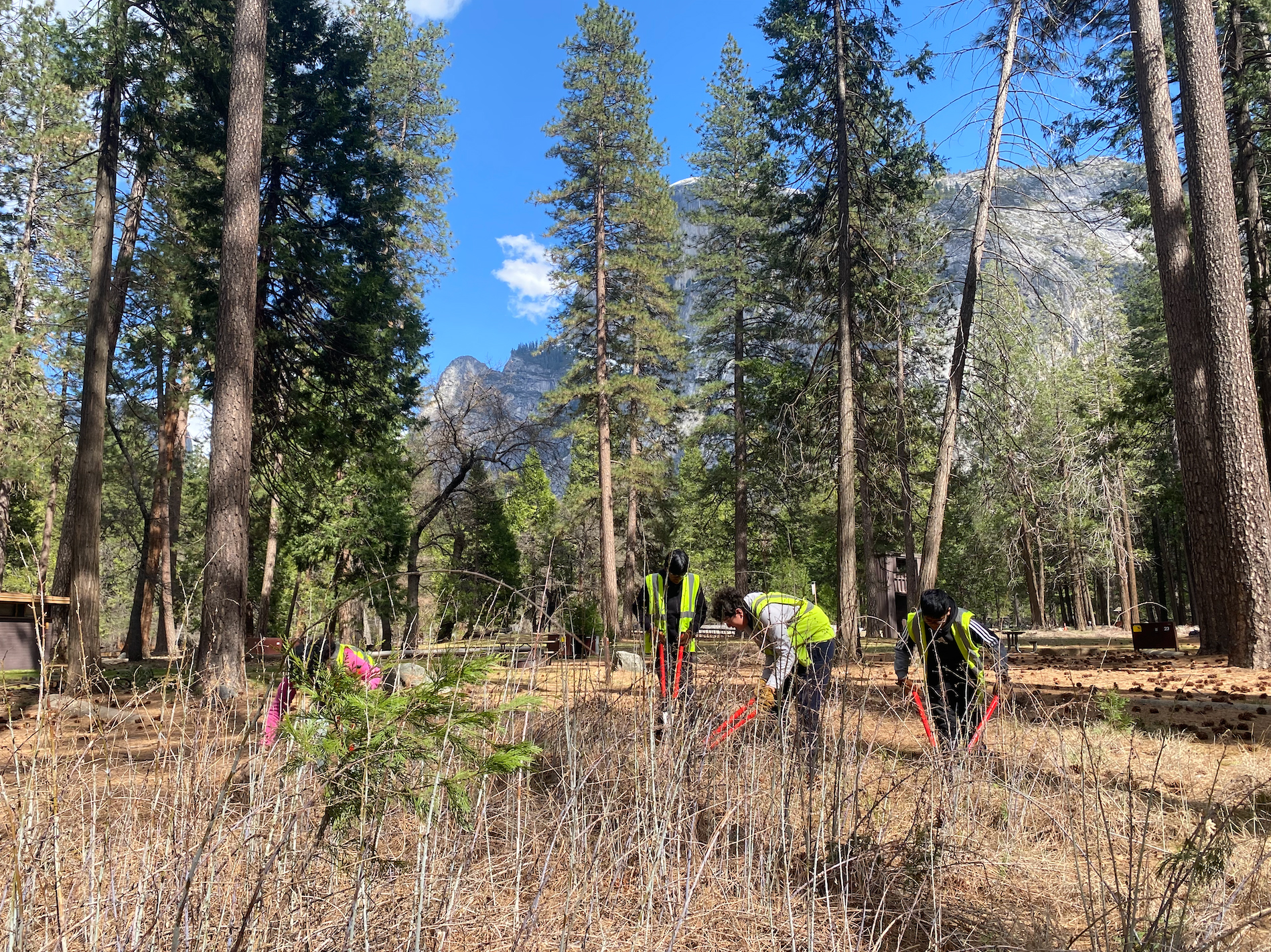
Photo by Larissa Biette
Lasting Impacts #
Yosemite is a place that makes it easy to feel small.
Its granite walls have stood for millions of years, its sequoias have witnessed centuries pass, and its waterfalls continue to carve their way through the landscape across generations. Against a backdrop like this, it might seem that a week of learning, a handful of seeds, or a few hours of restoration work could hardly make a difference. But that is part of what makes the work meaningful.
Students leave Yosemite with more than memories of Half Dome or the Merced River. They leave having practiced scientific inquiry, contributed to conservation, strengthened relationships, and made space for reflection. They begin to recognize that caring for the natural world is not about accomplishing something monumental on their own. It is about understanding their place within something larger and choosing to participate in its future.
The features of the landscape will remain long after the students leave the valley. But the impact of their time here does not end when their week in Yosemite is over.
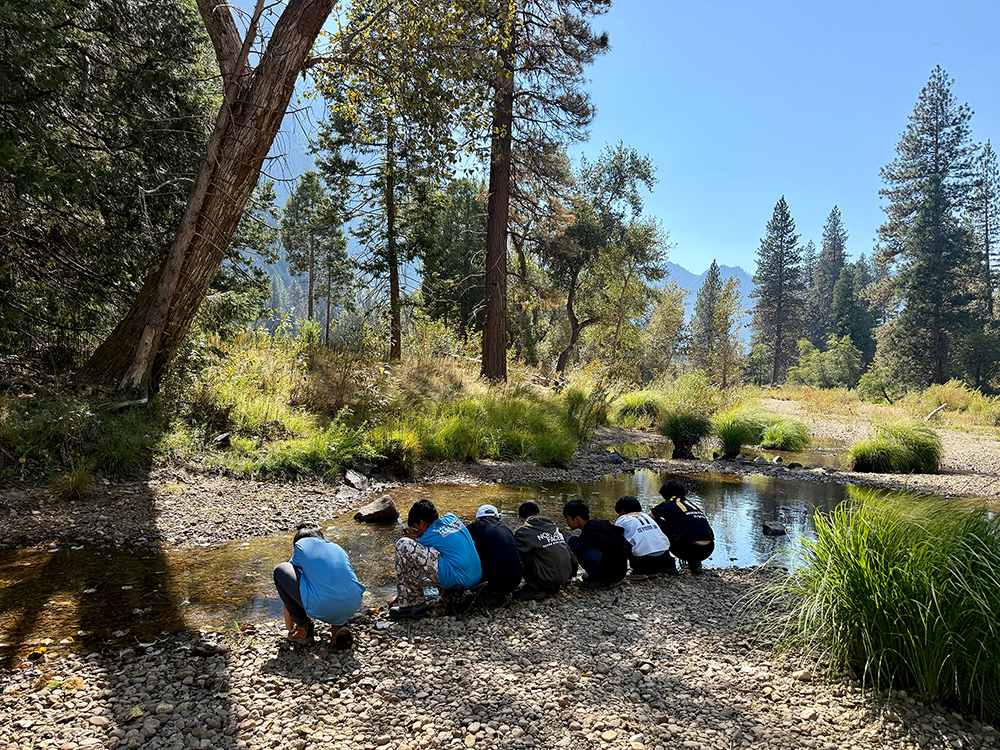
Photo by Sofia Soderberg
Stories

NatureBridge Yosemite: “Doing Big Things in the Presence of Big Things”
NatureBridge Yosemite is known as the “adventure campus.” We have the iconic Half Dome, and infamous El Capitan, and the tallest waterfall in North America. Granite walls rise above the valley floor, and ancient sequoia groves hold centuries of history within their trunks. It is easy to feel small in Yosemite, surrounded by a landscape that existed long before us and will continue long after we leave. But being surrounded by these monumental places does not mean students’ actions are insignificant. Throughout their week here, students learn that they can contribute to something much bigger than themselves, whether by restoring habitat, conducting scientific investigations, or building connections with the people and places around them.

