Growing Educators, Growing Impact: Kerri McAllister’s Journey from NatureBridge to National Geographic

NatureBridge alum Kerri McAllister has built a career that spans classrooms, coastlines, and continents. Today, she serves on the faculty at Unity University in southern Maine and works as a naturalist, certified field educator, and undersea specialist with National Geographic–Lindblad Expeditions. Her path was deeply shaped by over a decade of working at NatureBridge.
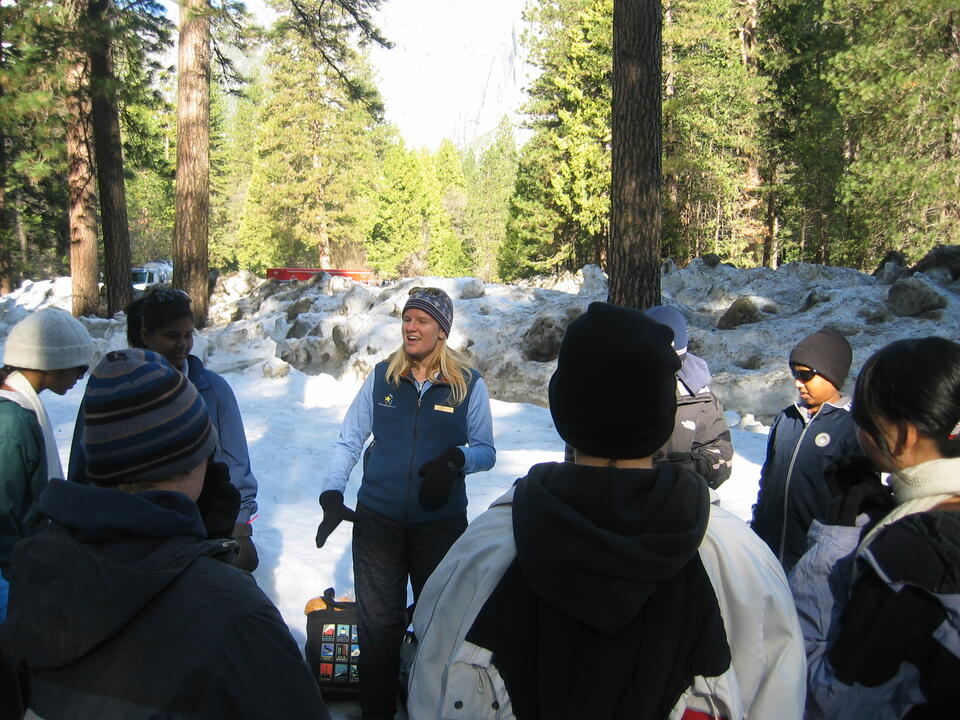
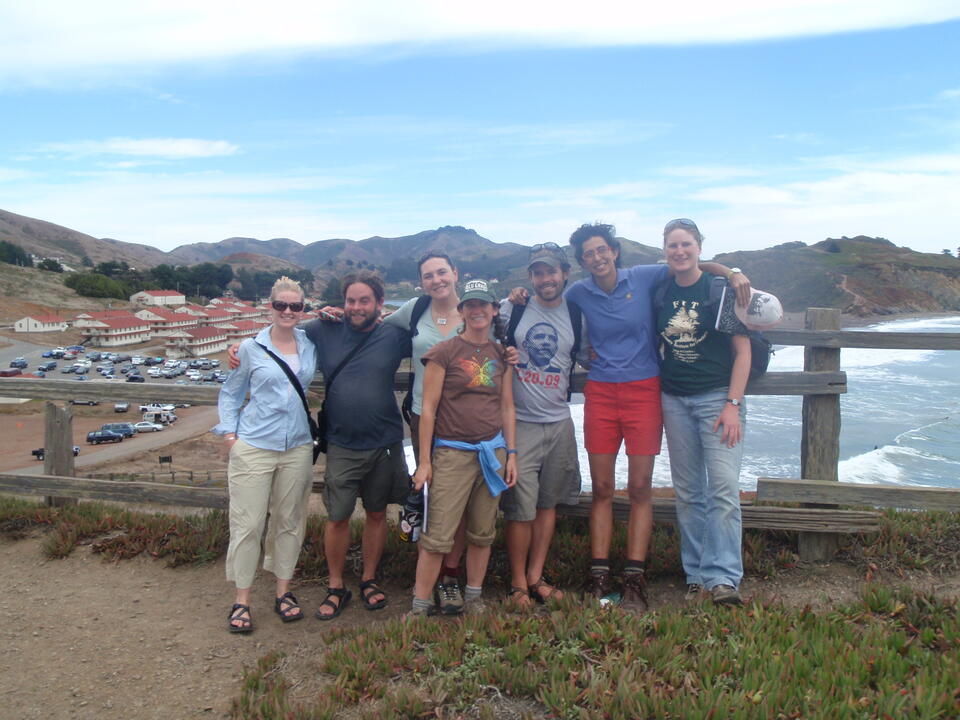
Kerri first came to NatureBridge Golden Gate (formerly the Headlands Institute) in 2005, drawn by its reputation for serving diverse student populations and its strong learning community. With a background in environmental studies and nonprofit work, she entered the campus as an educator and went on to hold several roles, including observation specialist and education assistant manager. Over 12 years, Kerri found what she describes as a unique working and learning environment centered on growth.
“It was the value of the learning community” at NatureBridge that sticks with her to this day, she says. She recalls “getting to grow as an educator and a person.” Working closely with her colleagues, trying new approaches, and reflecting on her practice helped shape Kerri’s teaching. “I grew a lot as an educator,” she reflects. “You don’t realize that it’s a rare thing.”
I feel very fortunate to have experienced many formative moments in my career and my life during my time at Golden Gate.Kerri McAllister, National Geographic naturalist and former NatureBridge staff
Kerri views NatureBridge as a leader in its field, an organization that is “at the forefront of environmental education,” especially in its transdisciplinary approach and focus on social and personal development. She emphasizes the lasting impact of even short outdoor learning experiences. There’s a “ripple effect,” she notes, not just for the students, but for everyone involved with the organization—from teachers to staff to supporters.
In particular, Kerri emphasizes the lasting influence of educators. At NatureBridge, she often wondered about the impact she was leaving on students after spending only a few days with them in the field. But now, she recognizes the ways in which educators serve as role models to their students, creating safe spaces for learning and inspiring future scientists. “I really want to recognize the impact that educators do have on their learners,” Kerri says. “My wish is that environmental education would be more valued in our culture,” she adds, noting that equitable access to these learning experiences increases as more people recognize how important they are for students’ development.
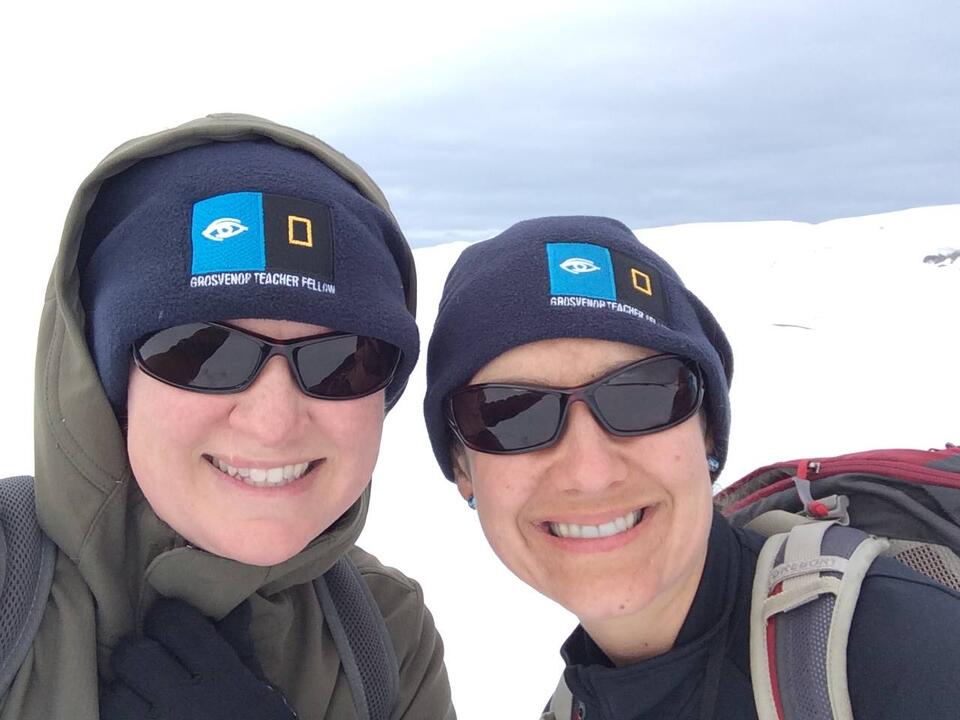
While still working at NatureBridge, Kerri was selected as a Grosvenor Teacher Fellow with National Geographic, which led her to Svalbard, Norway to study climate change. That experience—and a desire to return to teaching in the field—eventually led Kerri to her current work with National Geographic Expeditions, where she connects diverse audiences to science and place.
After leaving NatureBridge, Kerri returned to the East Coast and focused on teacher professional development, helping classroom educators strengthen their pedagogy. She also helped found climate education collaboratives on both coasts and earned a doctorate in Educational Sustainability from the University of Wisconsin–Stevens Point in 2024. Kerri’s research explored how outdoor and classroom educators can better work together to improve student learning outcomes.
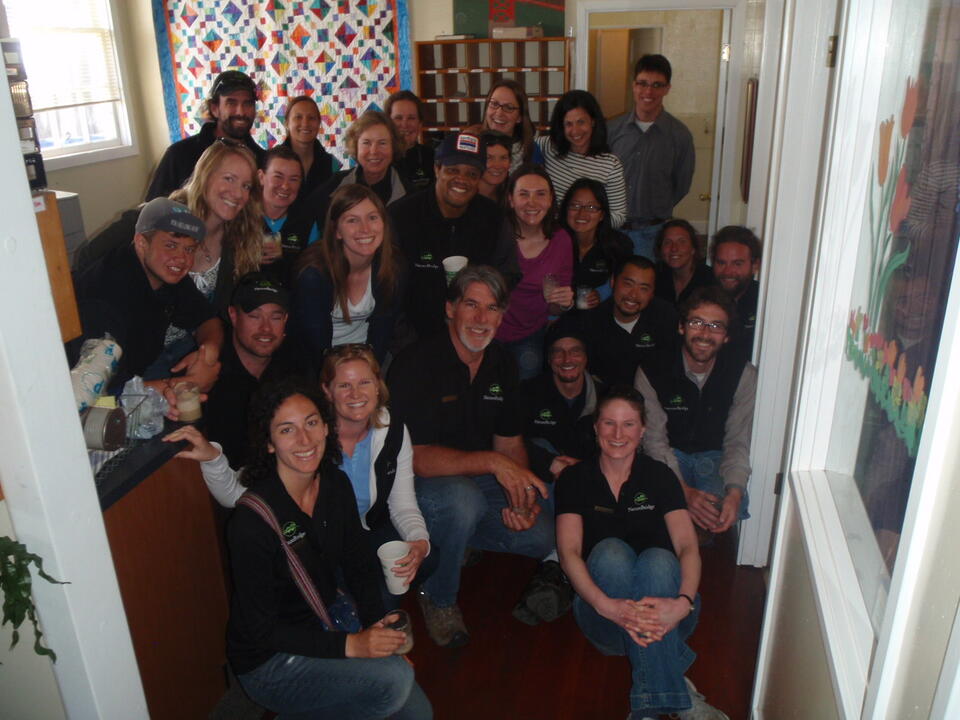
Kerri remains especially grateful for the community she found at NatureBridge—“everyone I crossed paths with, that I learned with… It’s amazing to be part of something bigger than yourself.”
Photos courtesy of Kerri McAllister
Stories

San Jose Teacher Nights Recap: Inspiring Bay Area Educators to Bring Learning Outdoors
Our recent Teacher Night events in San Jose, CA were a wonderful opportunity to connect with passionate Bay Area educators and share the transformative power of outdoor education.

Armstrong Scholars 2026 Trip Report
For the 2026 Armstrong Scholars, each day started with a song. Maybe it was "Unwritten" by Natasha Beddingfield, or "Believe" by Cher, or "Eye of the Tiger" by Survivor. Music and laughter carried us through our first waking moments—whether it was at 3 a.m. in wet sleeping bags preparing to hike up a pass, or at 8 a.m. next to a lake and ready for a rest day. We celebrated hard things the way we knew best—by dancing—at the end of a long day to warm up before slipping into our sleeping bags, or on top of a mountain pass, or at the trailhead at the end of a beautiful 65.7 mile-long journey.

Everything You Need to Know About NatureBridge Outdoor Education Programs
What is outdoor education and why is it important? These questions may arise when you’re planning your first multi-day program for your school. Here is everything you need to know about NatureBridge programs, how they benefit students and teachers while enforcing classroom learning, and how to plan a program.